Translate

Showing posts with label event. Show all posts

Wednesday, November 19, 2025

Hydrogen Workforce Needs

Photo credit: David Blekhman

Yesterday I gave an invited presentation on liquid hydrogen in aviation spotlighting some of the organizations and individuals at the forefront of hydrogen aircraft flight testing, engine development, and airport operations. This will also be the topic of a longer discussion and Q&A for the December 3rd Mission Hydrogen webinar.

The presentation slides along with supplemental content and hyperlinks to more details are available in the "Aviation" briefing at https://h2sage.com. Free registration for the Mission Hydrogen webinar is available here: https://mission-hydrogen.com.

Hydrogen Workforce Needs


The event held on November 18th at the Ohio Aerospace Institute (OAI) was a second in-person gathering supporting the DOE project on hydrogen workforce needs led by the University of Toledo (UToledo). Andrew Gyekenyesi of OAI and Mark Mason of UToledo kicked off the event setting the stage for the project context, progress, and key insights. Regional survey results were then presented by Kevin Cranick of Workforce Intelligence Network.


Some themes that continued to be built upon as the day progressed included:

  • Creating the right balance of workforce training and upskilling building on foundational community college and university curricula and supplementing with hydrogen specific knowledge depending on the needs of specific job roles.
  • Credentialing programs, short courses, trades upskilling, and other shorter training opportunities to provide key skills quickly and tailored to various industry sectors and applications.
  • The need to create a pipeline of education and awareness programs in secondary (high schools) and perhaps earlier, as well as activities that provide broader public awareness directly or indirectly to parents and other local community members.

Industry Perspectives


My aviation presentation was part of the industry portion of the event to provide examples of how hydrogen systems are being developed, deployed, and operated. Mark Haberbusch of NEOEx Systems described some of their new systems that liquefy hydrogen (electrolytically produced from microgrid renewables or from other sources), and refuel long range drones with liquid hydrogen.

David Perzynski followed with a portfolio of initiatives under development at Honda for hydrogen vehicles, engines, and other applications. Nick Vargo of Babcock & Wilcox finished up the industry portion with a description of their chemical looping technology for producing low-carbon hydrogen from various hydrocarbon feedstocks using engineered FeO particles.

Education and Training Perspectives


The afternoon session started with a presentation by Pat Hufnagel-Smith of Creative Links summarizing some findings from her work on building a resilient energy workforce amid uncertainty. Later presenters confirmed that her publication on this topic is the best available and a gold standard.

Anil Bika of the University of Delaware presented information on some of the hydrogen initiatives, electrochemical engineering program, high school programs, and key industry collaborations at the Center for Clean Hydrogen. The importance of building an ecosystem of diverse stakeholders was evident.

David Blekhman of California State University, LA followed with highlights of the impressive array of projects, sustainable energy curricula, fueling stations, hands-on internships, and industry collaborations he has developed over many years as Technical Director of the Hydrogen Research and Fueling Facility.

Tiffany Howard of South Louisiana Community College provided a thought provoking final presentation on community college strategies and tactics during times of economic stagnation drawing on her experiences in a variety of roles and insights from previous technology trends in driverless trucking and broadband communications.

Panel Discussions and Networking

Sujata Shetty of UToledo led a panel discussion amongst the afternoon presenters that included audience thoughts and insights. Although it covered a great deal of themes, a few takeaways from memory:
  • Supplemental and complementary training and curricula related to hydrogen that can build upon foundational certifications and degrees may be the best approach (i.e., rather than specific "hydrogen" degrees)
  • Uncertainty in public policy, economic, and other factors requires developing adaptable and robust training and upskilling options
  • Attracting, training, and retaining an emerging and skilled hydrogen workforce requires addressing multiple worker needs including aspirations for meaningful work, career stability, personal growth, and quality of life.

In addition to the scheduled talks and presenters, I enjoyed catching up with existing colleagues along with some new and inspiring contacts across the economic development, industry associations, and other key actors in the hydrogen and sustainable energy ecosystem. 

Bill Whittenberger and Linda Buckosh of the Ohio Fuel Cell and Hydrogen Consortium continue to advocate for hydrogen-related businesses to various stakeholders within the state and well beyond. Keri Zipay of TeamNEO and Jing Lyon (past interim CEO at Brite Energy) are economic development champions who help make critical connections and assist new businesses in the region.

An unexpected bonus was meeting Veronica Vaca of Cobra Industrial Activities who is focused on geologic hydrogen (both naturally occurring and stimulated by selected fluid injection). This is a topic that is rapidly gaining interest from investors and industry, and has the potential to significantly lower hydrogen supply costs for various use cases.

Author Bio
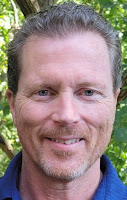
Matt Moran is the Managing Member at Moran Innovation LLC, and previous Managing Partner at Isotherm Energy. He's been developing power and propulsion systems for more than 40 years; and first-of-a-kind gas, slush, and liquid hydrogen systems since the mid-1980s. Matt was also the Sector Manager for Energy & Materials in his final position at NASA where he worked for 31 years. He's been a cofounder in seven technology-based startups; and provided R&D, engineering, and innovation consulting to several hundred organizations. Matt has three patents and more than 50 publications including his online Cryogenic Fluid Management guide and Decarbonizing Mobility with Liquid Hydrogen SAE report. He has created and taught liquid hydrogen courses, webinars, and workshops to global audiences.

Thursday, March 30, 2023

OSU Sustainable Aviation Forum Highlights

OSU Sustainable Aviation Forum participants. I'm in the back row, far right, light plaid shirt. (image credit: The Ohio State University)

I was invited again this year to participate in the Sustainable Aviation Forum hosted by The Ohio State University (OSU) at their airport location on March 28, 2023. Although it's a six hour roundtrip drive from my home office, it was well worth the investment in time (and electricity to recharge my car :) Great venue, speakers, topics, and colleagues!

Hydrogen in the Mix


Let me start by expressing my appreciation to Josh Knights at OSU for inviting me again this year. Also, gratitude to my fellow NASA alumni Joe Shaw who initially got me tied into this activity. Last year I was the outlier participant bringing up hydrogen during the panel sessions and breakout working groups, so I'm glad they didn't scratch me off the list for this year...

On the topic of hydrogen, what a difference just one year makes! Many of the presentations explicitly addressed hydrogen this time around, whereas none did last year. And the General Manager of Advanced Technology at GE Aerospace, Arjan Hegeman, gave a fantastic keynote presentation that included their development program in collaboration with Airbus for a hydrogen jet engine.

A student group from OSU also presented an impressively comprehensive project they tackled on sustainable aviation that included a look at hydrogen. And one of the event hosts who I met at last year's event, PhD candidate David Mapunda, did an excellent job keeping us on track topically and temporally throughout the forum.

SAFs and Batteries


The other two options for decarbonizing aviation were also well represented this year: sustainable aviation fuels (SAF) and batteries. The Technical Director of the Flight Sciences Dept at Honda Aircraft, Kui Ou, and GE Aerospace's Arjan Hegeman both described active development programs around SAFs.

And the Chief Engineer at Textron eAviation, JD Terry, talked about their new design incorporating batteries integrated into the wings of an aircraft. This panel session was expertly facilitated by my OSU colleague, Professor Matilde D'Arpino, who is doing cutting edge research in several electric aviation and power systems areas with her team.

Strategy and Workforce


The joint venture between GE and Honda was also featured with the President of newly formed GE Honda Aero Engines, Mel Solomon, giving an overview of their goals and efforts. Discussions on regional aviation strategy were provided by state of Ohio representative Adam Holmes; Ohio economic development speakers Elaine Bryant (JobsOhio) and Rich Granger (FlyOhio); and OSU Professor Amber Woodburn McNair. And the wrap up talk was from Joe Zeis of the Ohio Governor's office.

A great panel discussion on aviation workforce challenges was well represented by OSU at Lima Dean Tim Rehner, Boeing Director of R&T Mark Cleary, Deborah Scherer of One Columbus, and Eboni Wimbush of the Airport Minority Advisory Council. Attracting and retaining the needed skillsets continues to be a critically important issue as the global aviation community transitions away from legacy fuels. This topic also dovetailed nicely into earlier opening remarks by OSU's Dorota Grejner-Brzezinska.

Infrastructure 


Another interesting theme throughout the forum was infrastructure. Rex Alexander of Five-Alpha provided very insightful perspectives on what it takes to create or convert a vertical takeoff and landing (VTOL) site to accommodate electric aircraft. 
Just a couple of interesting takeaways from his remarks were the long runs of heavy gauge copper wire often required, and the fact that it isn't very green if recharging is done with electricity from a coal power plant.

This infrastructure topic resonated with me since one of my current projects is supporting a customer developing in-situ liquid hydrogen infrastructure capability for the Air Force and Army. Hydrogen generated onsite by electrolyzers splitting water using a renewable energy microgrid. Then liquefied and loaded onto queued aircraft autonomously.

Refuel and fly in minutes rather than the hours it takes to recharge batteries. Twenty times the range and flight time of an equivalent battery powered aircraft. And no long copper runs or coal (or any other fossil fuels) required.


Carbon as a Proxy for "Green"


An additional topic that I brought up during the forum is related to greenhouse gas (GHG) emissions. We commonly use "net-zero" carbon as a proxy for addressing the existential threat of increasing GHG effects. However, the lifecycle environmental impacts of any fuel or battery is vitally important to keep in mind.

For example, I've been helping to develop a liquid methane propulsion system for one of my customers over the past few years. It's the only project remaining in my company's portfolio that isn't focused on liquid hydrogen. And my willingness to continue supporting it is waning. Here's why...

Methane (and by extension, natural gas) is a 25 times more potent GHG emission than carbon dioxide. So any leaks or other releases of methane are huge contributors to the problem. And recent satellite data has revealed how shockingly widespread and grossly underreported methane and natural gas leaks are globally.

So even if we use so called "green" methane by combining hydrogen with carbon dioxide pulled from the air (e.g., Sabatier process), it does nothing to address the impacts of methane releases throughout the delivery and distribution pathway before it's combusted. This is a case where "zero net carbon" is a totally inadequate proxy for GHG emissions and related environmental impacts.

By the way, batteries have their own significant lifecycle environmental impacts that we are already witnessing with the current supply chain scaling. Lithium mining, strategic materials sourcing, recycling,... and we are still very early in the technology adoption curve.

But my question to one of the forum panels was about SAFs, and if they suffer from drawbacks regarding GHG impacts similar to methane and natural gas. The answer I got was very candid: yes and no, depending on the feedstocks used. Biofuels apparently aren't so bad; other SAFs are another issue.

The follow up question from an OSU alumni from Brazil was even more eye opening. He described the alarming regional impact in South America already with the scaling of bio-based feedstocks to support SAF processing. The answer to his question was also very candid: we are just scratching the surface on that issue.

The Solution


I'll end this post where those of you who follow my blog know it always leads to: hydrogen. I am unabashedly biased in this regard because hydrogen completely and fully solves all the environmental impact issues when it is generated from renewable energy sources: GHGs, supply chains, scarce resources, recycling, etc. It also produces copious amounts of potable water as a "byproduct" that could be a game changer in many global regions.

While I'm an open minded advocate of any solutions that potentially get us heading in the right direction, the ultimate answer to many applications and industry sectors is clear. The sooner we make the transition away from fossil fuels and toward hydrogen, the greater our chances of pulling up on the environmental damage control stick before we hit the ground in the flight vehicle we call earth.


Matt Moran is the Managing Member at Moran Innovation LLC, and previous Managing Partner at Isotherm Energy. He's been developing power and propulsion systems for more than 40 years; and break-through liquid, slush, and gaseous hydrogen systems since the mid-1980s. Matt was also the Sector Manager for Energy & Materials in his last position at NASA where he worked for 31 years. He's been a co-founder in seven technology startups; and provided R&D and engineering support to many organizations. Matt has three patents and more than 50 publications including the Cryogenic Fluid Management series. He also leads the monthly LH2 Era™ Webinar.